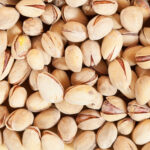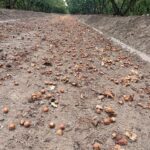


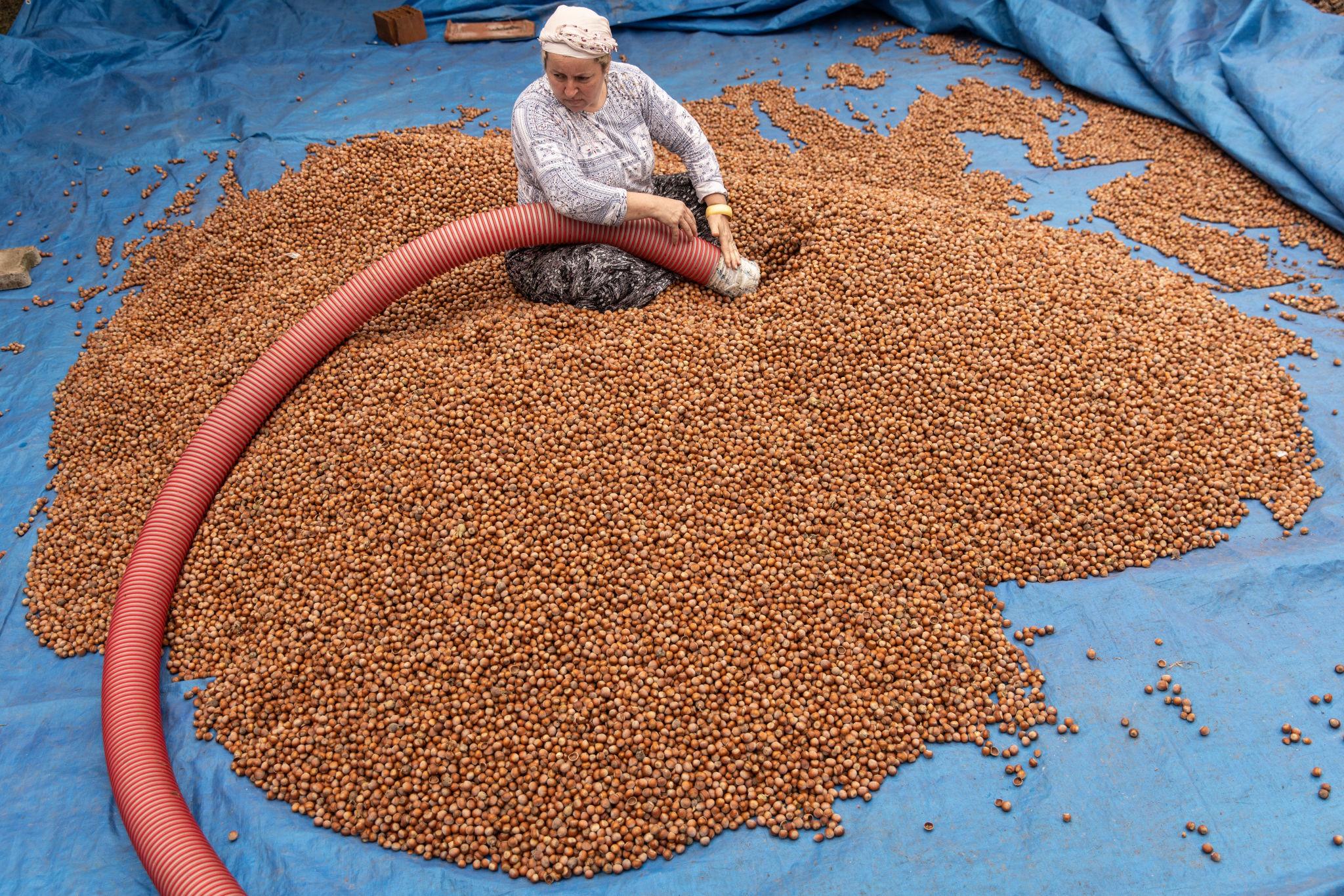
Weather conditions recorded during April in Turkey have renewed concerns in the international hazelnut market due to the risk of frost damage in key Black Sea producing regions.
Turkey accounts for nearly 70% of the world’s hazelnut supply, meaning that any climatic event affecting the country has a direct impact on global availability and price trends.
During April, episodes of low temperatures were reported across several Turkish agricultural regions, including hazelnut-producing areas. Some reports indicated extreme temperatures and late frost events in parts of Anatolia and the Black Sea region, at a particularly sensitive stage of crop development.
Although there is still no definitive estimate regarding the production impact for the 2026/27 season, industry sources warn that April has historically been one of the highest-risk periods for hazelnut orchards in Turkey. In fact, market reports indicate that initial crop projections remain highly uncertain precisely because of exposure to spring frosts.
Market sensitivity is also driven by recent precedents. In previous seasons, agricultural frosts caused severe losses in Turkish producing regions, significantly reducing exportable supply and pushing international prices higher. In 2025, local agricultural organizations reported damage ranging from 70% to 100% in orchards located at higher elevations in the Black Sea area.
International market operators are currently closely monitoring weather developments and fruit set progression throughout May and June — key stages in determining Turkey’s final production potential.
The climatic scenario also reinforces a trend the industry has been observing for several years: growing structural volatility associated with climate change, with frost events, extreme rainfall, and increasing temperature variability becoming more frequent across major producing regions.