


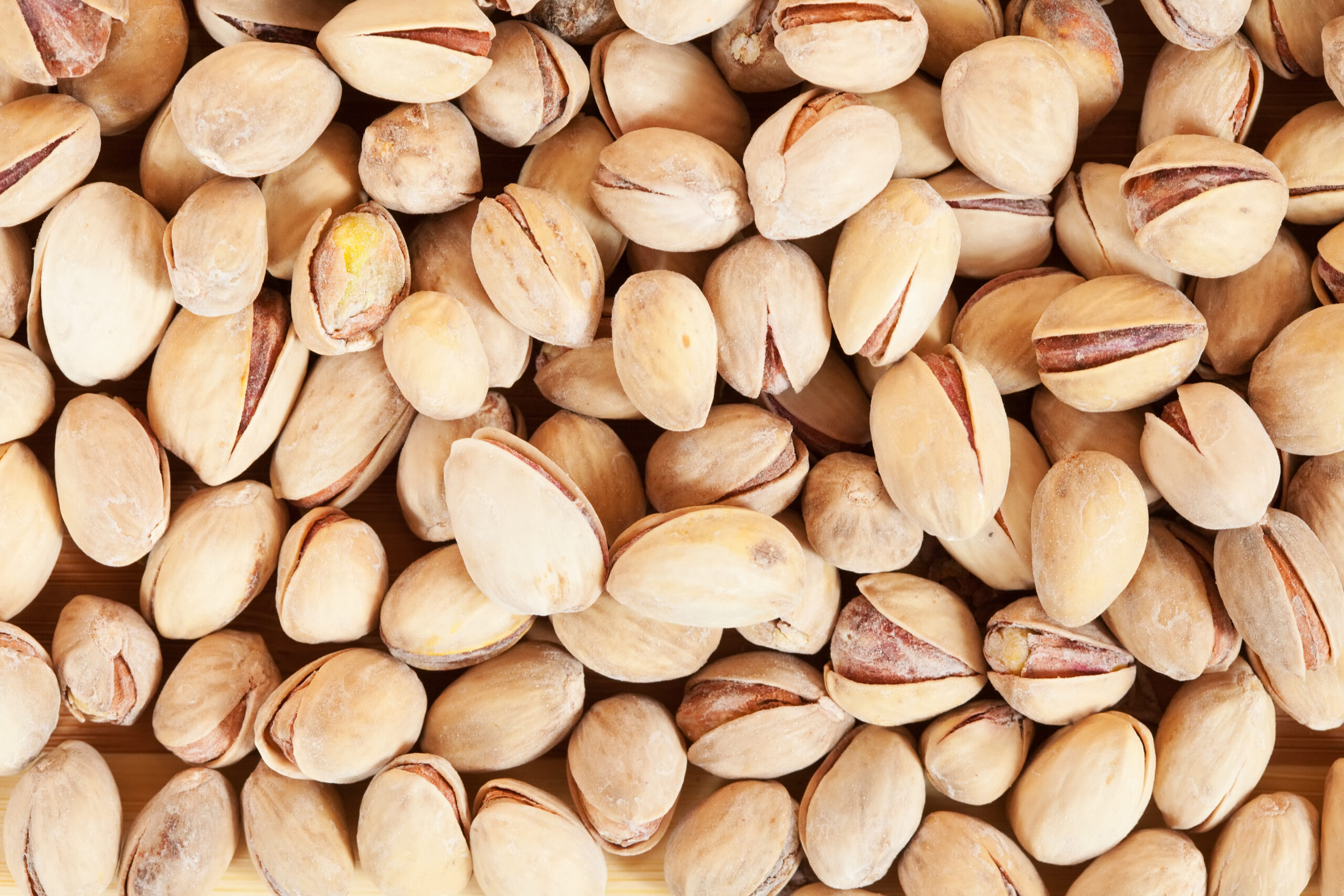
Argentina is beginning to position itself strongly in the international pistachio market, promoting a crop that until recently played a marginal role in its agricultural matrix.
According to recent reports, the country has steadily expanded its planted area, particularly in the province of San Juan, where climatic conditions —similar to those of leading producing regions— have proven highly favorable for pistachio development.
Currently, Argentina has thousands of hectares either in production or approaching maturity, pointing to significant growth in available volumes toward the end of the decade. Pistachios also offer a strategic advantage: they are a high-value crop with growing global demand and relatively lower competition compared to more established nuts.
One of the key drivers behind this expansion has been investment in technology, agronomic management, and technical expertise — all critical factors to ensure export-quality standards. At the same time, the sector has been built with a long-term vision, considering that pistachio orchards require several years to reach full productivity.
In this context, Argentina aims to diversify its agricultural exports and reduce dependence on traditional crops, focusing on products with higher added value and global projection.
For the international industry, the rise of Argentine pistachios introduces a new Southern Hemisphere player with the potential to complement global supply and add further dynamism to the market in the coming years.