

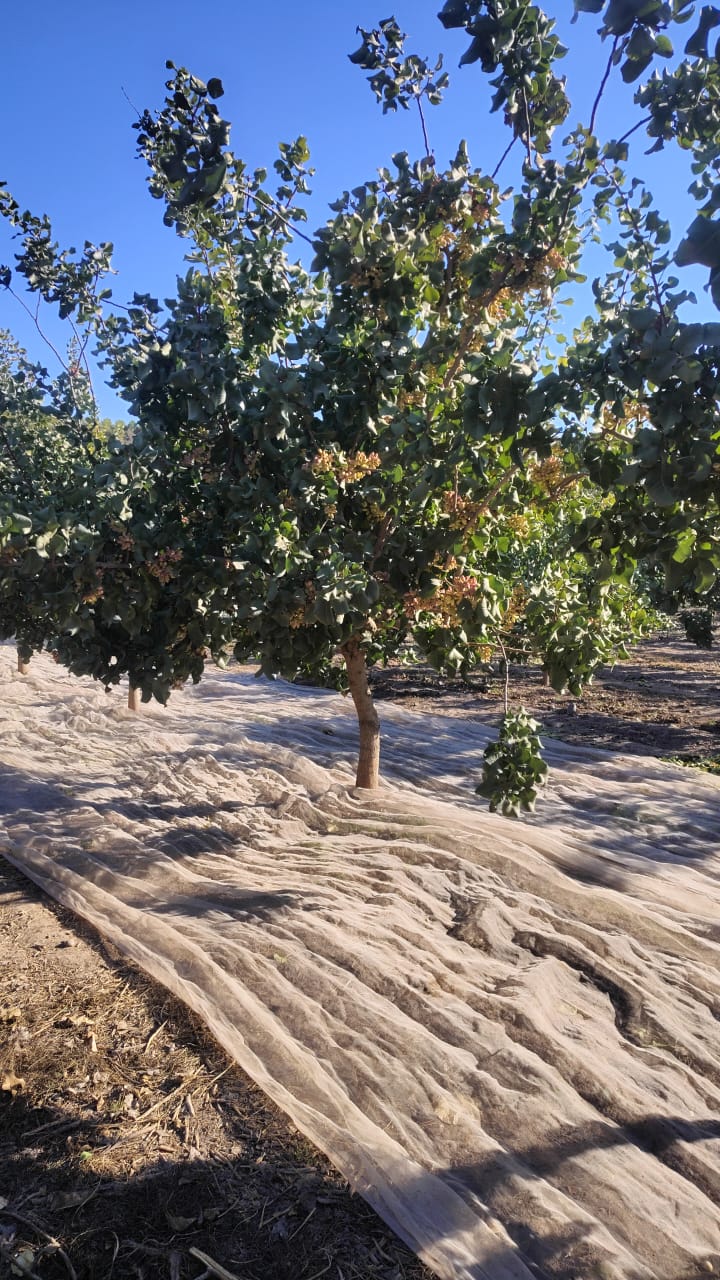
Harvest and post-harvest management in pistachio cultivation is a critical factor in ensuring yield, commercial quality, and minimizing sanitary risks, particularly aflatoxin contamination.
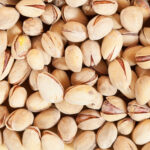
The start of the harvest must be precisely defined using technical indicators of the fruit. Among the most relevant are epicarp dehiscence—considered the main criterion—which indicates the optimal timing when 60% to 80% of the fruits show splitting, along with color changes, ease of detachment, and full kernel development.
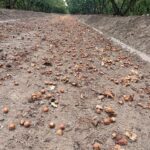
In operational terms, mechanized harvesting is positioned as the standard in intensive production systems, particularly in the United States and Spain, using “side-by-side” equipment. However, manual harvesting remains in use in traditional systems or in uneven terrain. Regardless of the method, the importance of avoiding fruit contact with the ground is emphasized, due to the high risk of contamination by fungi such as Aspergillus flavus, especially considering the high moisture content of pistachios at harvest (40–50%).
One of the critical points in the process is the time between harvest and processing. Transport to the processing facility must take place within 24 hours, as delays significantly increase the risk of aflatoxin development and deterioration of the fruit’s external quality.
The post-harvest process follows a strict sequence including reception, hulling, washing, drying, and storage. Among these stages, drying is key to stabilizing the product, reducing moisture from initial levels of 40–50% to a safe range of 5–7%. Inadequate drying directly compromises product safety and shelf life.
Different drying systems exist, ranging from traditional methods such as sun drying—low cost but higher risk—to more advanced technologies such as hot air drying, two-stage drying, or combined infrared systems, which allow for greater process control and improved quality outcomes.
Finally, proper storage is essential to preserve quality. Optimal conditions include temperatures between 0 and 10°C, controlled humidity, low oxygen levels, and absence of light, allowing the product’s shelf life to be extended up to 12 months without significant deterioration.
In a context of increasing demands in international markets, efficiency at every stage—from determining the optimal harvest timing to storage—has become a key factor for the global competitiveness of pistachios.