

Just a decade ago, European hazelnut orchards were still an expanding bet in Chile. Today, they are one of the crops that best explain the quiet transformation of the country’s agricultural sector.
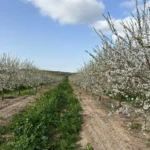
In 2014, Chile had just over 8,000 hectares planted. Twelve years later, that area exceeds 65,000 hectares, according to figures presented at the Agrichile Meeting held in Linares on Wednesday, February 25. In practical terms, hazelnut orchards have multiplied their territorial presence by more than eight in just 12 seasons, expanding strongly from the Maule region southward, where they are already reshaping the fruit-growing landscape of entire regions such as Ñuble and La Aracanía.
The increase in planted area quickly translated into higher production volumes. With a harvest of around 120,000 tons in-shell projected for 2025, according to the International Nut and Dried Fruit Council, Chile has consolidated its position as the world’s second-largest producer after Turkey.
Just over a decade ago, this position seemed unthinkable; today, it is a standing that the international market itself recognizes.
But the real turning point lies in export value. In 2018, hazelnut exports totaled just over USD 70 million. By 2025, that figure had surpassed USD 500 million. In other words, in just seven years the business multiplied nearly sevenfold in terms of commercial returns.
The most striking jump occurred in the most recent period: between 2024 and 2025, export value nearly quadrupled, and the beginning of 2026 showed extraordinary year-on-year growth.
The broader context also works in favor of the sector. While other fruit crops face volatility and dependence on highly concentrated markets, hazelnuts are part of a different industry: around 70% of global consumption is linked to chocolate, a market that is generally more stable and less exposed to the speculative dynamics of fresh fruit.
In this scenario, the European hazelnut industry in Chile is not just an expanding crop — it represents an ongoing productive transformation that is, in many ways, already consolidated.