


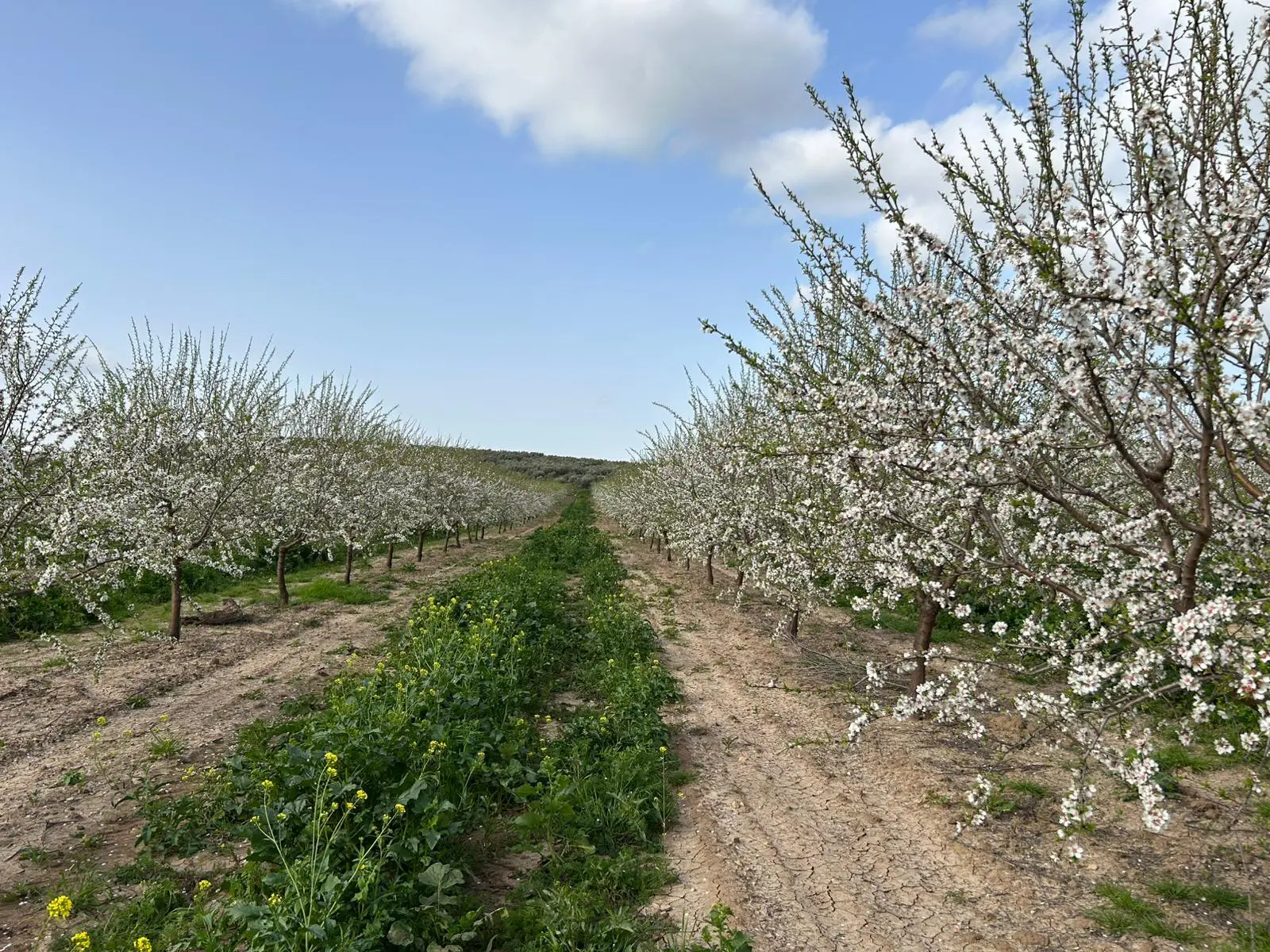
After a promising start, the sector now faces a more uncertain season due to poor fruit set and rainfall during flowering in key regions.
The 2026 almond campaign in Spain has begun to scale back its initial record-breaking expectations, as signs of irregularity emerge across different production areas.
In inland and southern regions such as Andalusia and Castile-La Mancha, one of the main factors has been an excessively prolonged and uneven flowering period. This has caused mismatches in synchronization between varieties and even within the same trees, hindering pollination and leading to irregular fruit set, with potential impacts on both yield and crop uniformity.
Meanwhile, along the Mediterranean coast—particularly in the Valencian Community and producing areas of Castellón and Valencia—rainfall during the flowering stage has further complicated the outlook. Excess moisture has reduced pollinator activity and increased the risk of fungal diseases, raising the likelihood of production losses, especially in inland areas of these provinces.
This dual impact—physiological challenges in flowering across the south and center, combined with adverse weather events in the east—is prompting the sector to revise its forecasts. While the campaign is still expected to be reasonably positive overall, the record crop initially anticipated is no longer projected.
The final outcome will largely depend on weather conditions in the coming stages, particularly during kernel development and filling.