

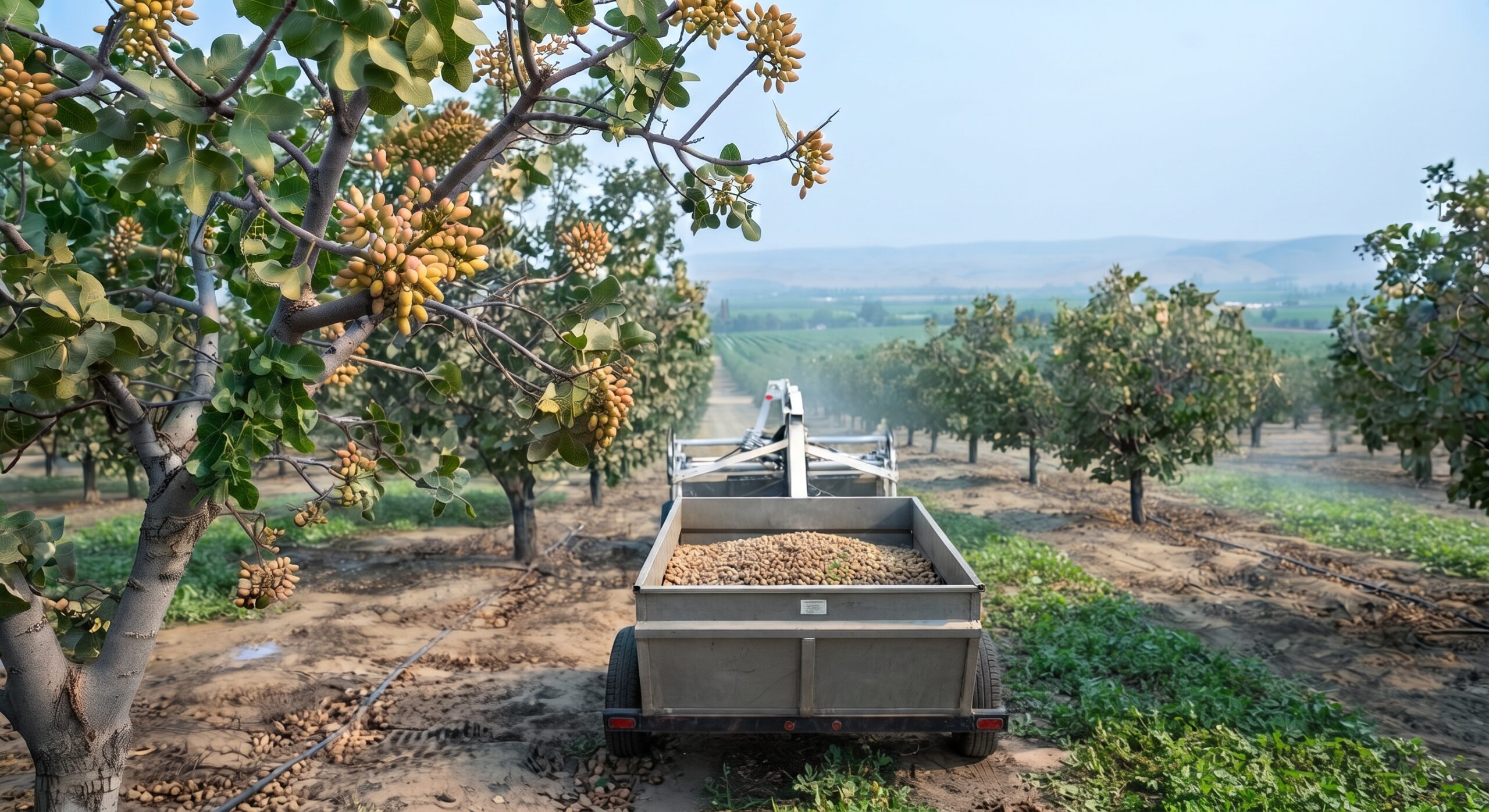
FRESNO, California. California’s pistachio industry is heading into one of its tightest harvests in years, after an unusually hot spring disrupted bloom across the state’s orchards and sharply cut yield potential. While estimates are still being revised, most analysts now expect the 2026 crop to land somewhere between 700 million and 800 million pounds — down from last season’s record 1.6 billion pounds, and in some projections potentially below 1 billion pounds altogether.
The shortfall comes at an awkward moment for an industry that had been on an extraordinary growth run. According to Matt Woolf, specialty crop analyst at Terrain Ag, California pistachio production has expanded roughly 484% over the past decade, with the 2025 crop reaching close to $1.6 billion in value. Normally, that scale of production growth would weigh on prices. Instead, demand has kept pace — and Woolf says pistachios remain the rare bright spot among the state’s permanent plantings, even as almonds, wine grapes and walnuts have all gone through difficult stretches.
Part of that demand story traces back to social media. The viral “Dubai chocolate” trend — a pistachio-cream-filled bar that spread rapidly online — pulled a new wave of attention toward the nut starting in 2025. Google search interest in the trend peaked in March of that year and has since cooled, but Woolf says the underlying lift to pistachio demand has proven durable. Pistachio cream, paste and whole nuts have since worked their way into coffee drinks, cookies, ice cream and other categories well beyond the original viral moment.
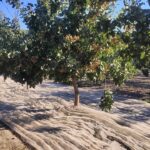
The bigger story for this season, though, is weather. Warm temperatures during bloom this past March disrupted nut set across many orchards, leaving clusters noticeably smaller than usual. Growers already knew 2026 was an “off” year in the crop’s natural alternate-bearing cycle, but the extent of the heat damage caught much of the industry by surprise, pushing crop estimates down sharply and leaving a wide range between different forecasts.
For growers who still bring in a sellable crop, the tighter supply is expected to work in their favor. With demand holding firm against a meaningfully smaller harvest, Woolf expects stronger prices and improved profitability for the 2026 crop year — a rare piece of good news in a specialty-crop environment that has otherwise been marked by rising costs and thinner margins across most tree nuts.
Looking past this season, Woolf remains upbeat about pistachios’ longer-term position. The industry, he notes, is considerably more concentrated than almonds — fewer major players controlling more of the supply chain — which he expects to keep working in growers’ favor. “The bright spot in permanent plantings in California agriculture is certainly pistachios,” Woolf said.